Multi-Material Cable Gland System Solutions

As an ISO 9001 certified high-tech enterprise operating under the 5S management system, we provide comprehensive and professional cable connectors to accommodate different industrial scenarios:


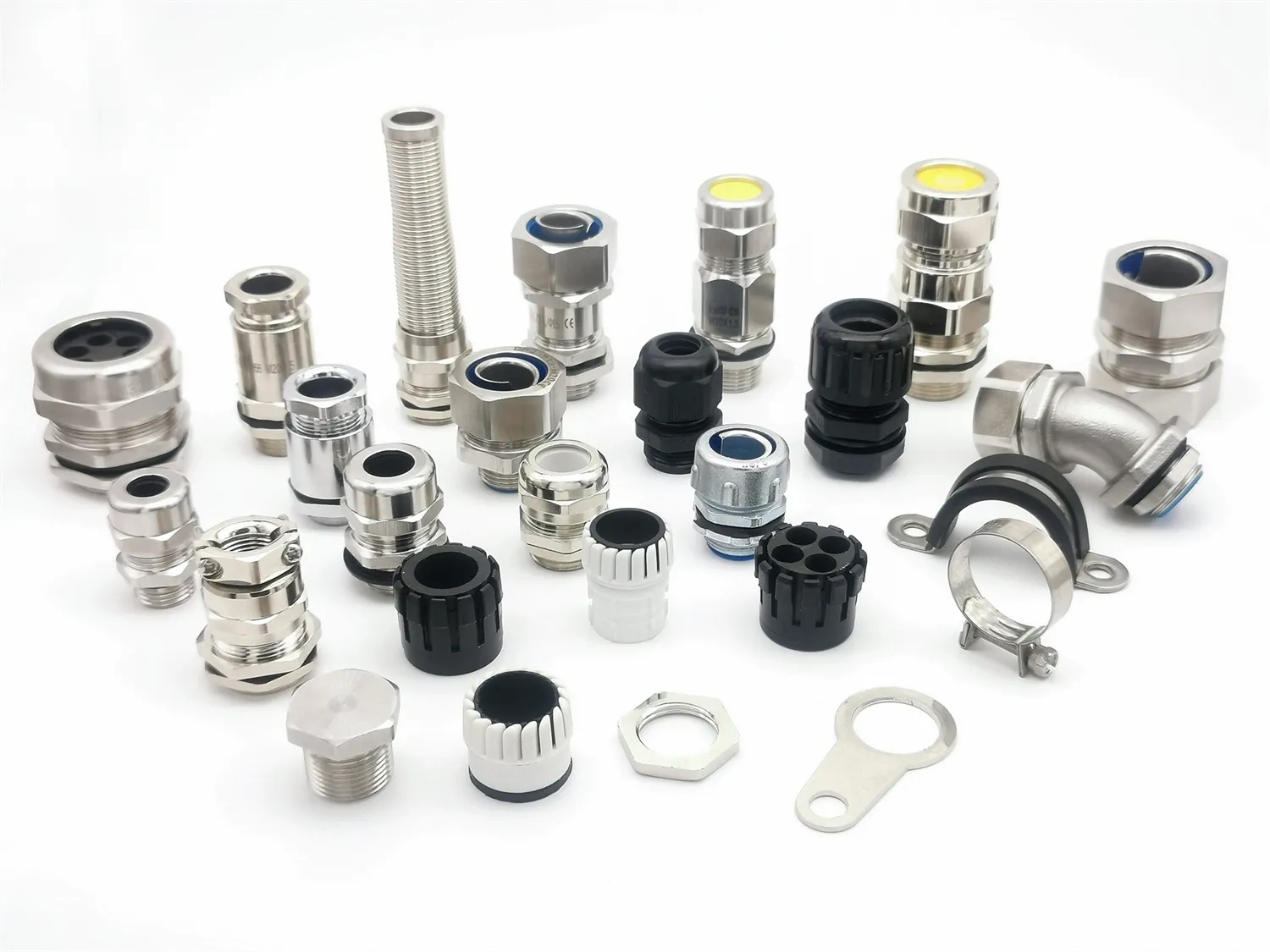
Brass Series: Standard, Compact, and Extended Designs crafted from high conductivity and corrosion-resistant brass. The Standard model offers IP68-rated dust/water protection; the Compact model is optimized for installation in confined spaces to facilitate safe wiring; and the Extended variant provides additional space for complex cable routing.


Stainless Steel Series: The 304/316 grade austenitic stainless steel gland combines high strength and excellent chemical corrosion resistance, making it an ideal choice for marine, chemical, and extreme environments. Certified to NEMA 4X standards, it ensures long-term durability and resistance to salt spray, acids, and alkalis.


Engineering nylon series: PA66 reinforced nylon gland offers lightweight design, high insulation, and UV resistance, making it ideal for automation equipment. The optional EMI shielding configuration effectively combats electromagnetic interference.


Our technical team leverages decades of industry expertise to provide customized cable protection systems tailored to operational needs. From material selection to protection level design, we offer end-to-end professional support to ensure the connection safety of industrial equipment with certified quality.

1.Food & Beverage Industry
Application: Used in equipment and systems that need to meet strict hygiene standards and operate in environments that deal with moisture, heat, and cleaning agents.

Cable Protection Requirements: The cable glands must be resistant to corrosion, ensure sealing against water ingress, and comply with sanitation standards to prevent contamination.

Common Use: Food processing machines, packaging equipment, refrigeration, and cooling systems.
2.Hybrid Vehicles
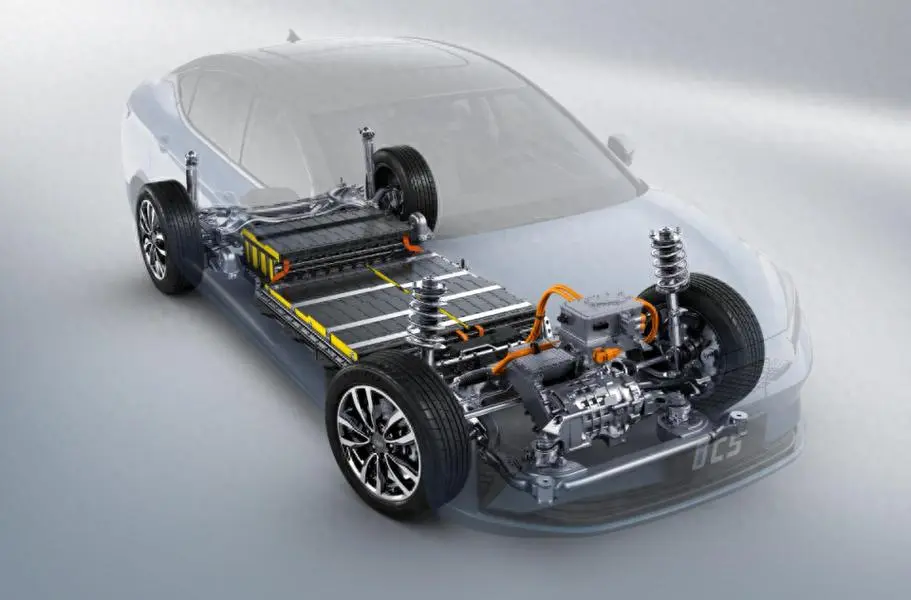
Application: Protects cables in hybrid and electric vehicles, where high performance, reliability, and safety are essential.

Cable Protection Requirements: Cables must withstand vibrations, high temperatures, and harsh outdoor environments while also being insulated against electrical interference.

Common Use: Battery management systems, charging infrastructure, and vehicle control units.
3.Military
Application: Ensures protection in demanding military environments, including vehicles, combat equipment, and critical communications systems.

Cable Protection Requirements: Must provide high levels of shock resistance, corrosion protection, and safeguarding against electromagnetic interference (EMI). These products also need to endure extreme weather conditions and mechanical stress.

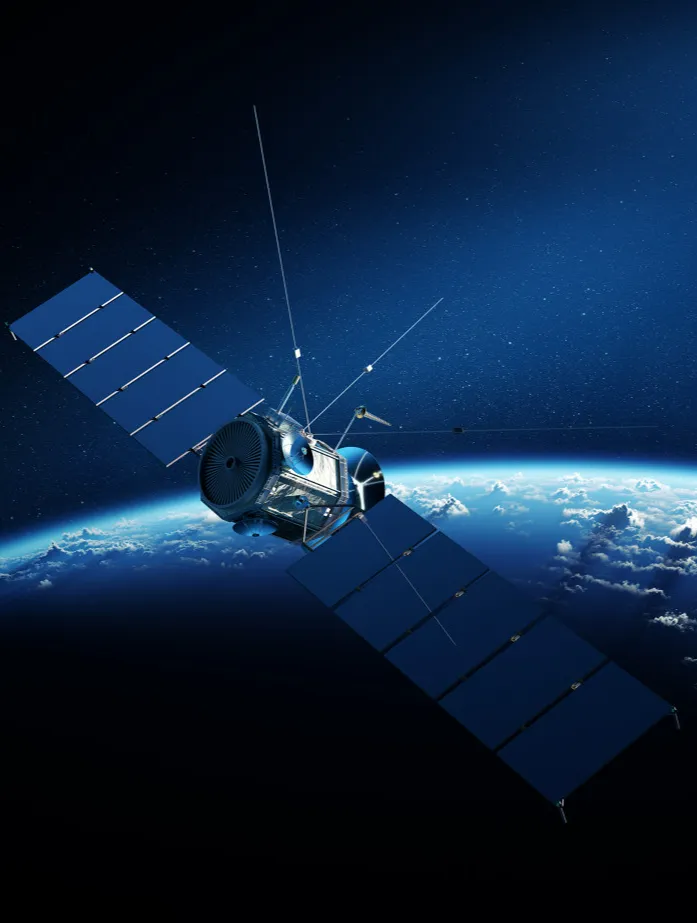
Common Use: Military vehicles, satellite communication equipment, radar, and weapon systems.
4.Marine & Offshore
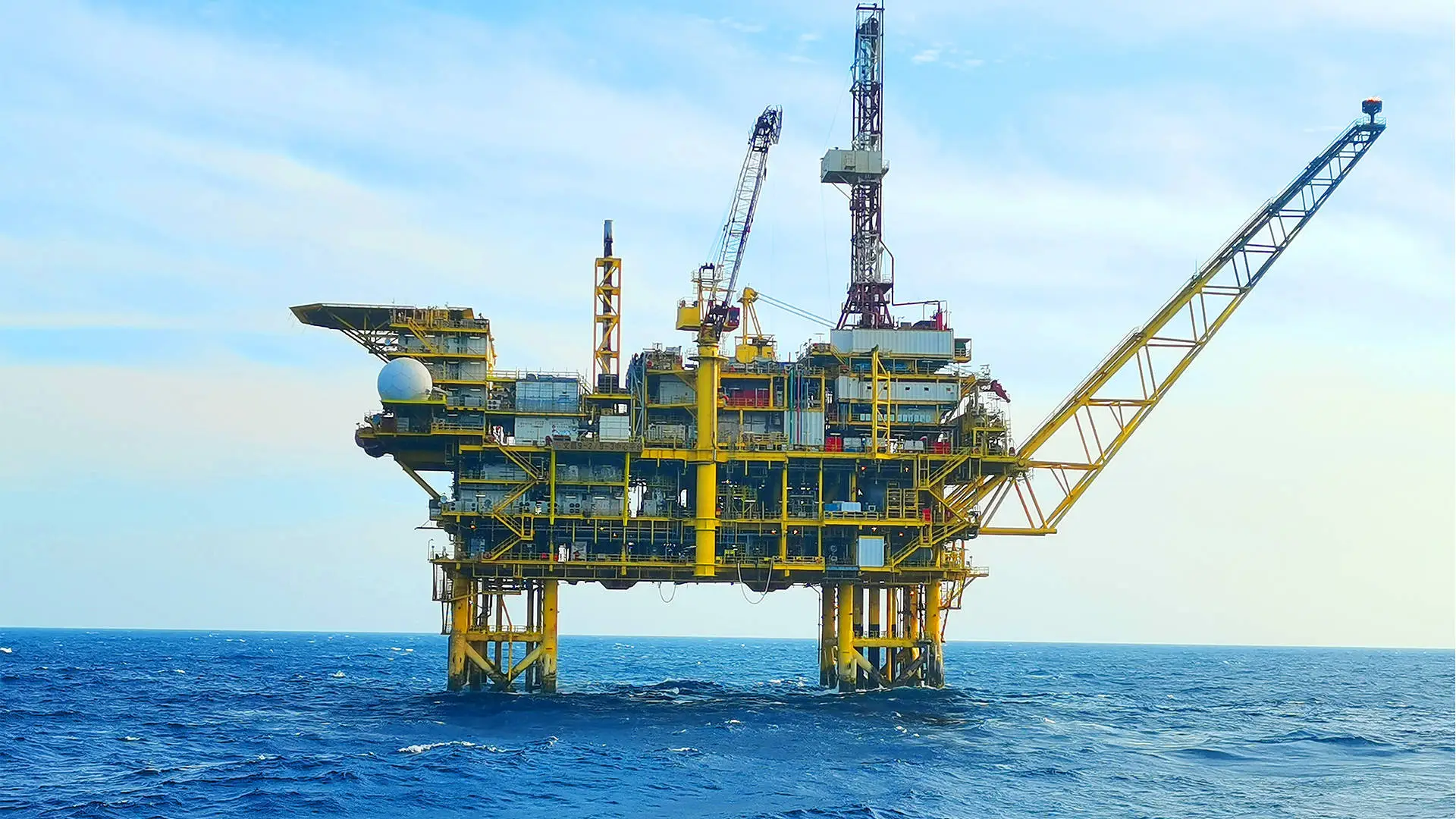
Application: For use in shipbuilding, offshore oil rigs, and other maritime environments exposed to salty air, water, and extreme mechanical stresses.

Cable Protection Requirements: Cable glands and accessories need to resist corrosion, prevent water ingress, and function in hazardous locations. Products must be waterproof and capable of enduring constant exposure to marine elements.

Common Use: Ships, oil rigs, offshore wind farms, and marine communication equipment.
5.Robotics & Automation
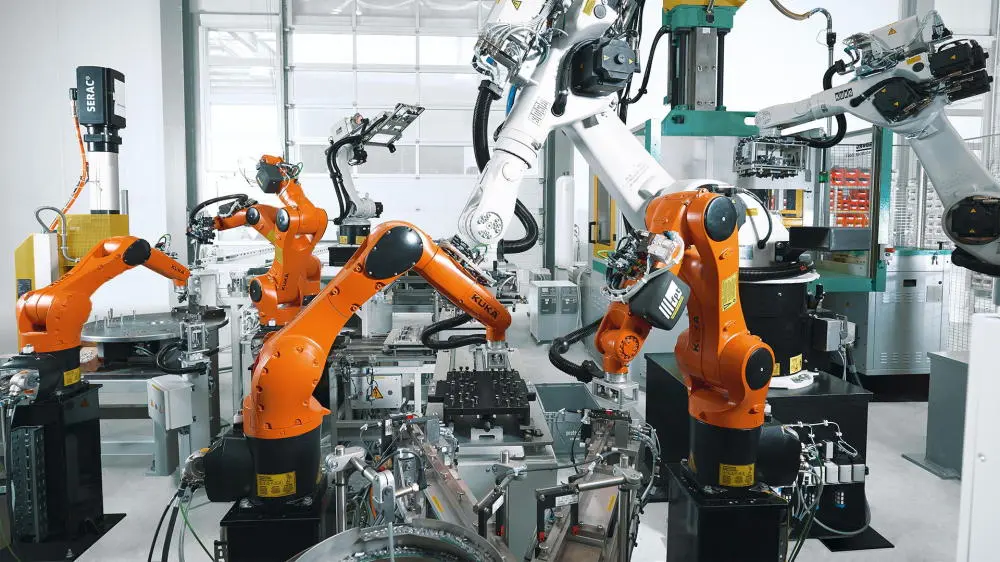
Application: Used in industrial robots, automated machinery, and systems in factories, warehouses, and production lines.

Cable Protection Requirements: Must protect against wear, abrasion, and provide reliable sealing in environments that might involve sharp movements, dust, heat, or chemical exposure.

Common Use: Robotics arms, automation control systems, conveyor systems, and assembly lines.
6.Renewable Energy
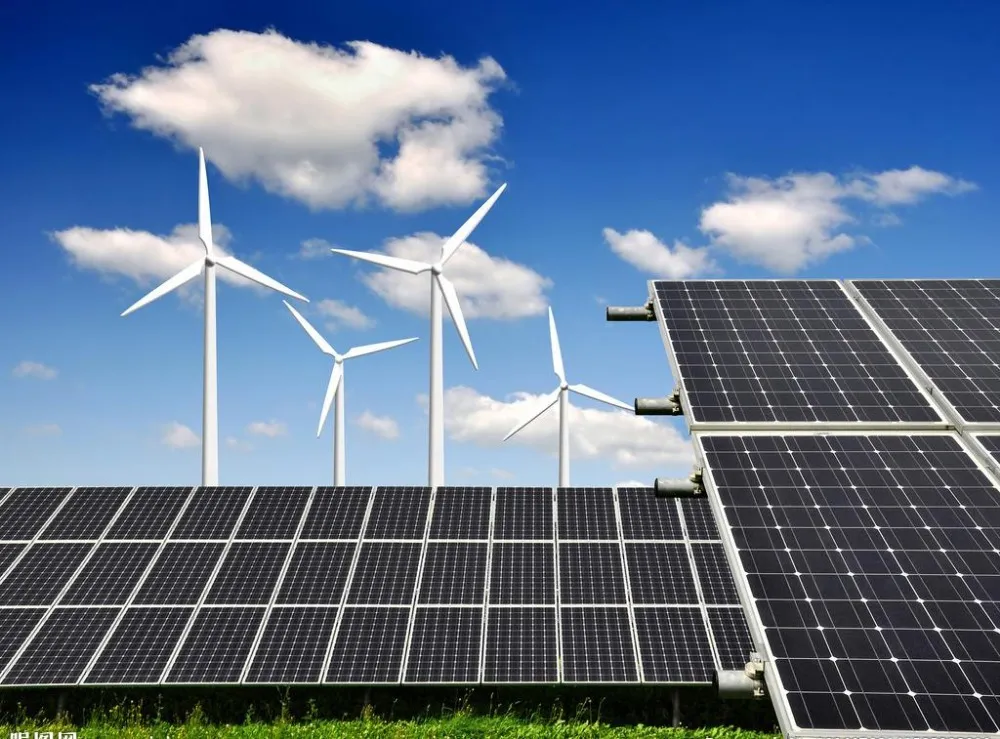
Application: Essential for wind, solar, and other renewable energy infrastructures where cables are exposed to outdoor elements and harsh weather conditions.

Cable Protection Requirements: Protection from UV, moisture, and extreme temperatures, as well as safeguarding from vibrations and potential mechanical damage.

Common Use: Wind turbines, solar panels, energy storage systems, and renewable energy power stations.
7.Rail Transit
Application: Used in rail systems, including high-speed trains, signaling systems, and stations where cable protection is necessary to prevent failure due to environmental factors or mechanical impact.

Cable Protection Requirements: Must provide fire resistance, be waterproof, and offer reliable sealing in high-vibration environments like trains and railway tracks.

Common Use: High-speed trains, station infrastructure, signaling and control systems, and power distribution systems.
8.Telecommunications
Application: Protects cables used in communication systems such as mobile towers, broadband connections, and undersea cables.

Cable Protection Requirements: Protection against environmental factors like moisture, corrosion, UV exposure, and physical damage from animals, people, and weather.

Common Use: Mobile towers, satellite communication, networking equipment, and fiber optics.
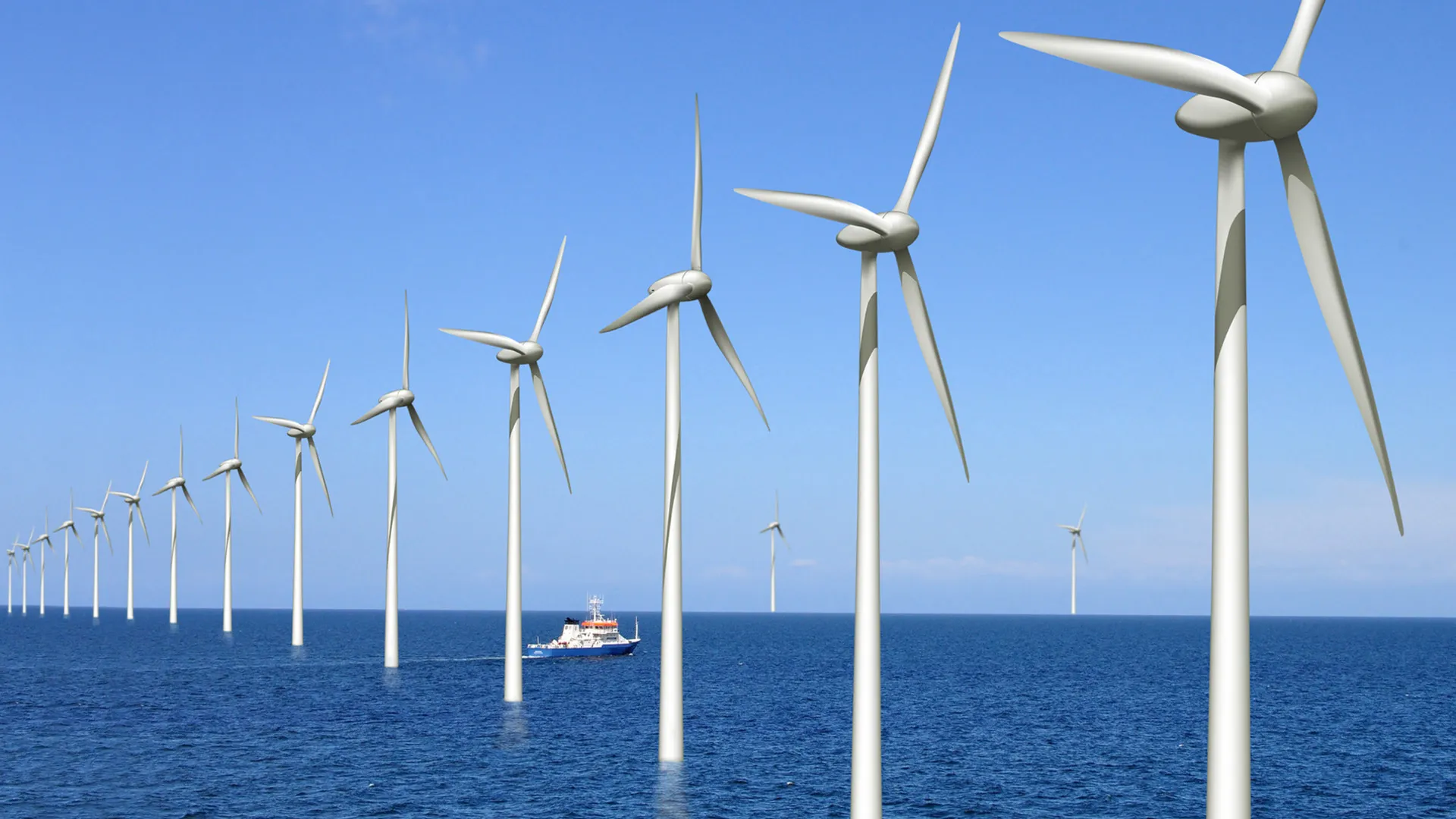
9.Wind Turbines
Application: Protects cables used in the power generation systems of wind turbines, which are exposed to extreme weather conditions and vibrations.

Cable Protection Requirements: Cables must resist environmental conditions such as high winds, saltwater exposure, and low temperatures, while ensuring safe and uninterrupted power transmission.

Common Use: Wind turbine installations, power conversion systems, and control equipment.
10.Outdoor Lighting
Application: Used in the infrastructure of outdoor lighting systems for streets, parks, buildings, and other public areas.

Cable Protection Requirements: Protection from UV rays, moisture, temperature fluctuations, and environmental debris, ensuring long-lasting reliability.

Common Use: Street lights, park lighting, tunnel lighting, and decorative public lighting installations.